Harbor seal
(Norsk: Steinkobbe)
Phoca vitulina
Population (Global estimation) : Over 500,000
Conservation Status : Least Concern
Hunted in Norway, 450 seals quota per year (IMR) and about 500 seals are killed in fishing equipment yearly in Norway (IMR). Small colonies along the coast, in Lofoten no breeding colony exists, only individual harbor seals can be seen feeding.
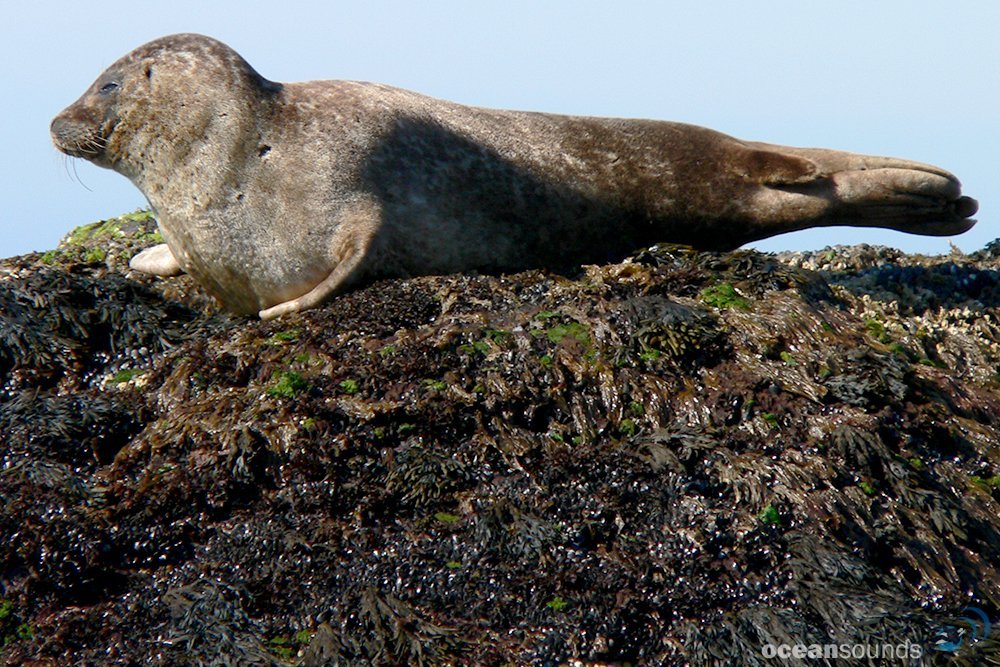
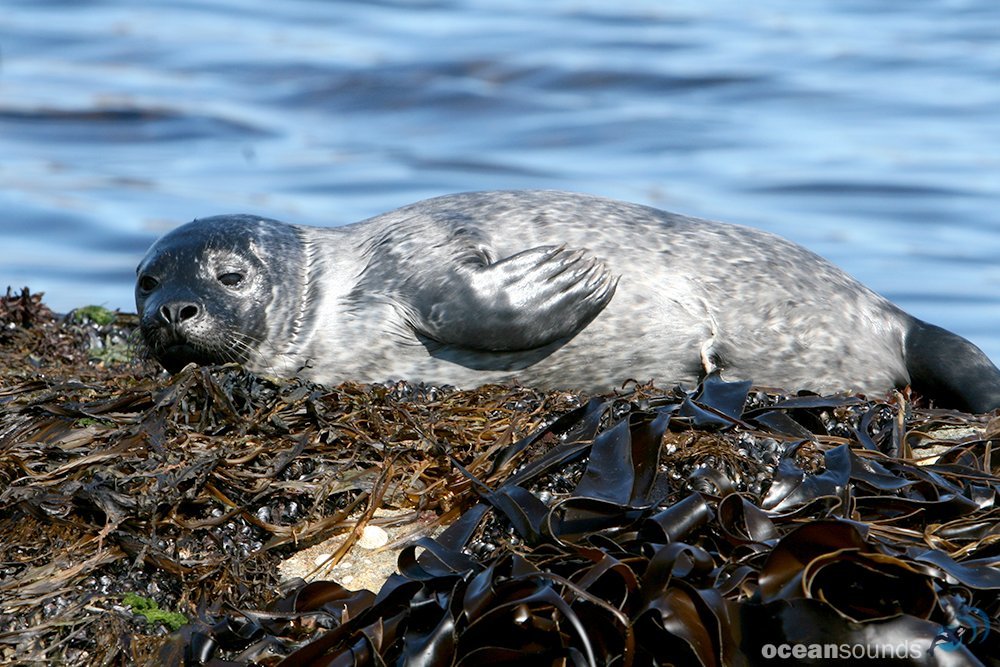
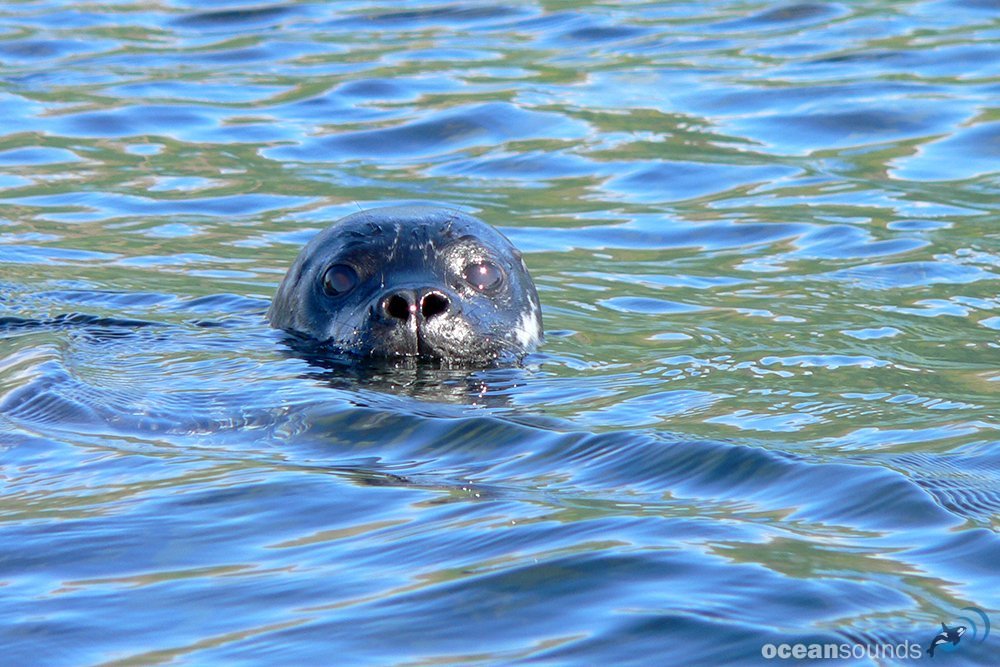
Identification: Variably tan to blue-gray-silver with scattered dark spots, or dark with light rings; underparts usually lighter; short body & flippers; short, dog-like snouts; V-shaped nostrils
Group formation: Gregarious groups on haul-out places, alone at sea
Size: males 1.9 meters, females 1.7 meters, calf 70-100 centimeters
Weight: males 170 kilograms, females 130 kilograms, calf 8-12 kilograms
Age: males 25 years, females 35 years
Gestation: 10 months
Sexual maturity: males 6-7 years, females 4-5 years; breeding annually
Diet: Generalist feeder, variety of fish and invertebrates
Distribution: North Atlantic and North Pacific with local populations. Mostly found in coastal waters.
Population: 500 000+; 10,000 in Norway plus 2,000 in Svalbard
Conservation Status: Generally Least Concern (2016). However, considered vulnerable in Svalbard and Critically Endangered in Iceland and Greenland. Trend: generally unknown, increasing in the Eastern Pacific.
Seal hunting (Norway, UK, Iceland, Greenland, US), illnesses, chemical and plastic pollution, bycatch, entanglement in fishing gear, conflict with fisheries and aquaculture, parasites, vessel traffic, climate change, overfishing, and habitat destruction.