Long-finned Pilot whale
(Norsk: Grindhval)
Globicephala melas
Population (European estimate) : 152,000
Conservation Status : Least Concern
Found all along the Norwegian coast, seen regularly inside the Vestfjord. High peak season from May-September for group gatherings, breeding, and feeding.
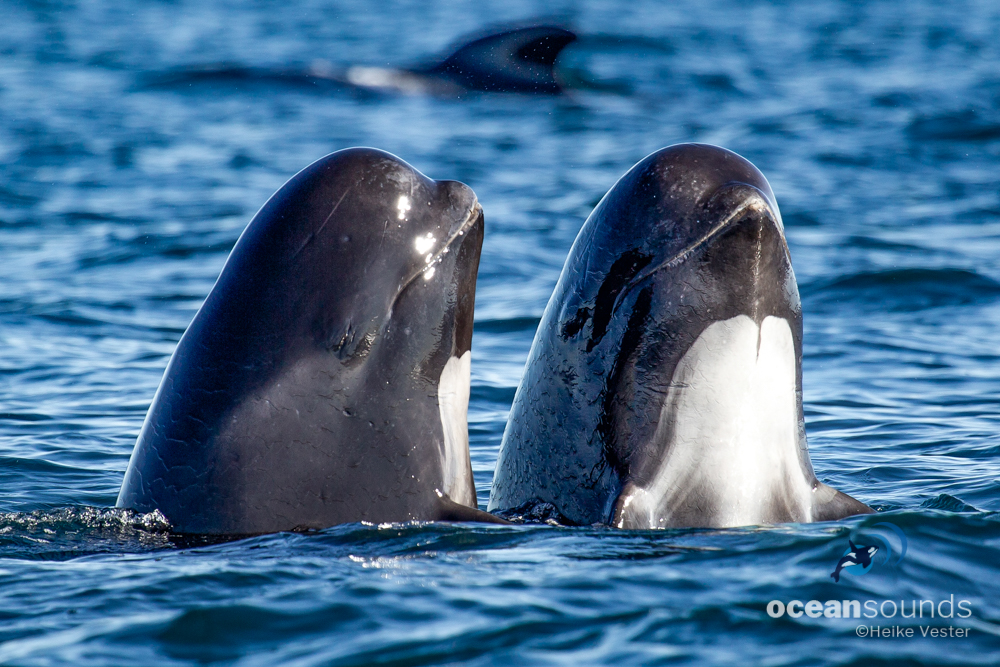
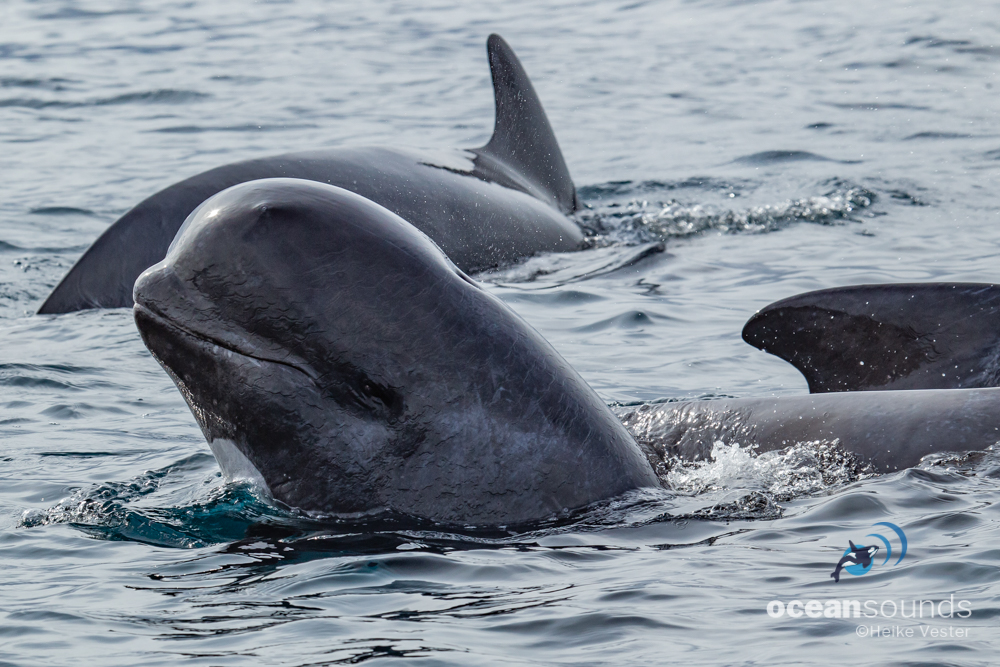
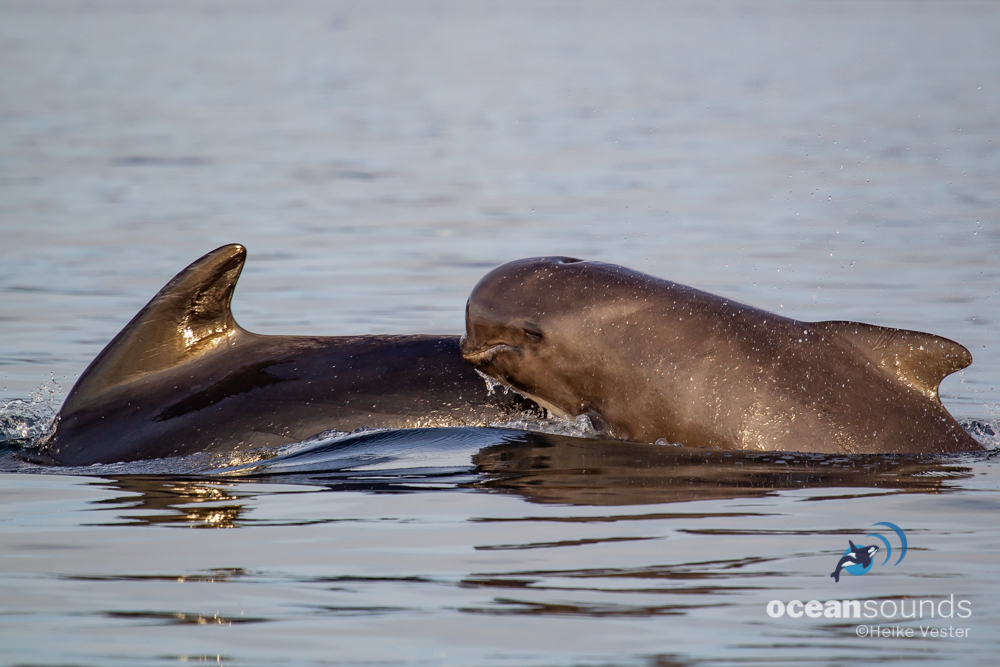
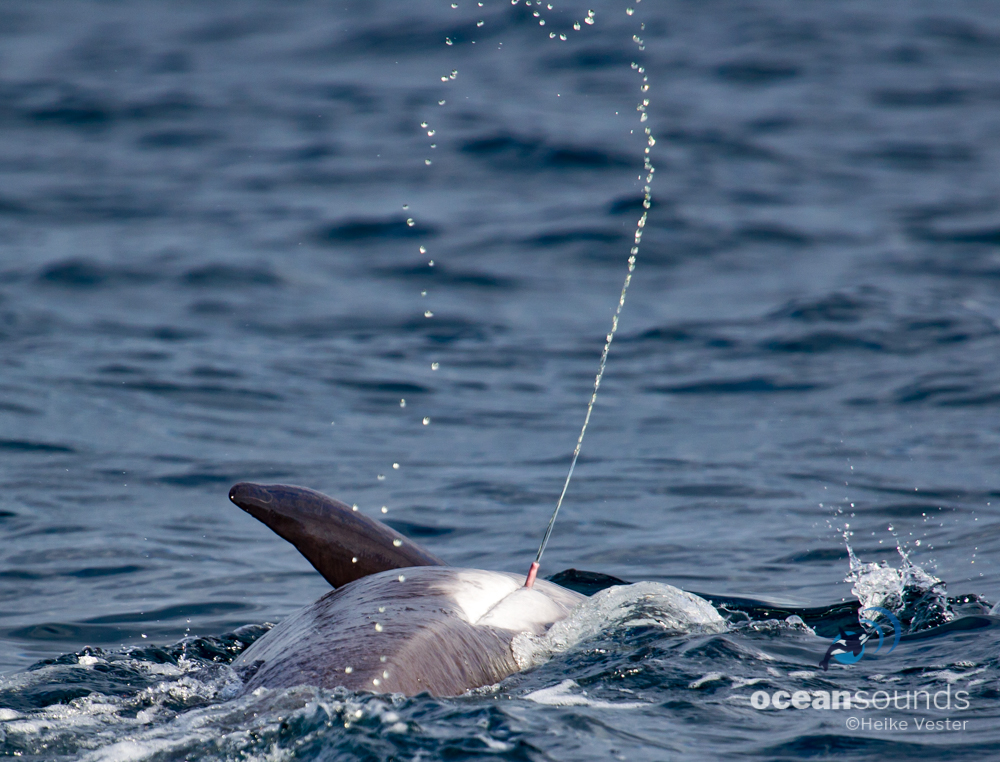
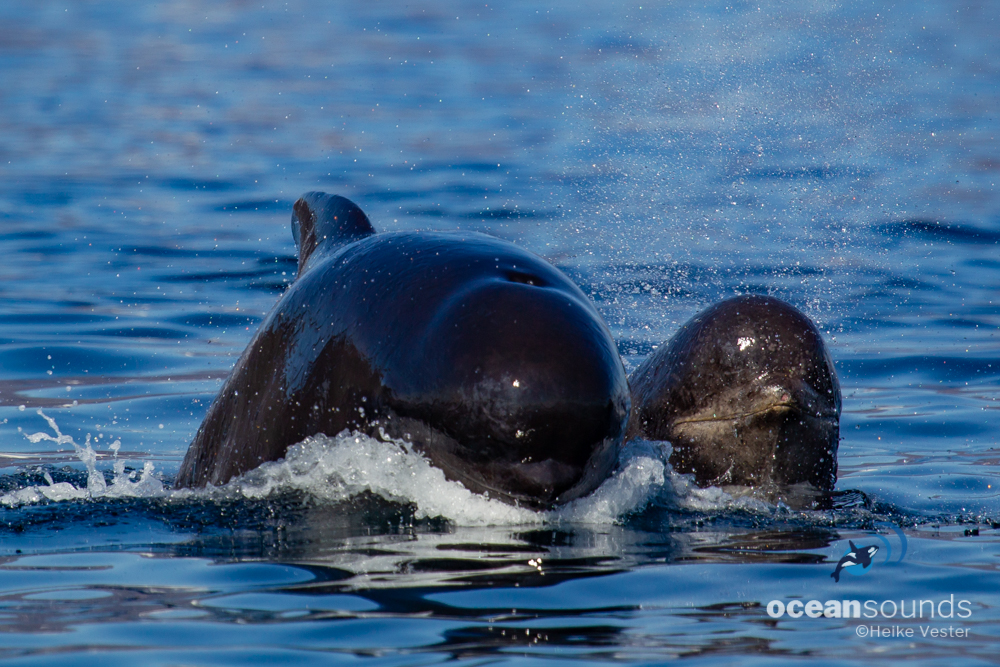
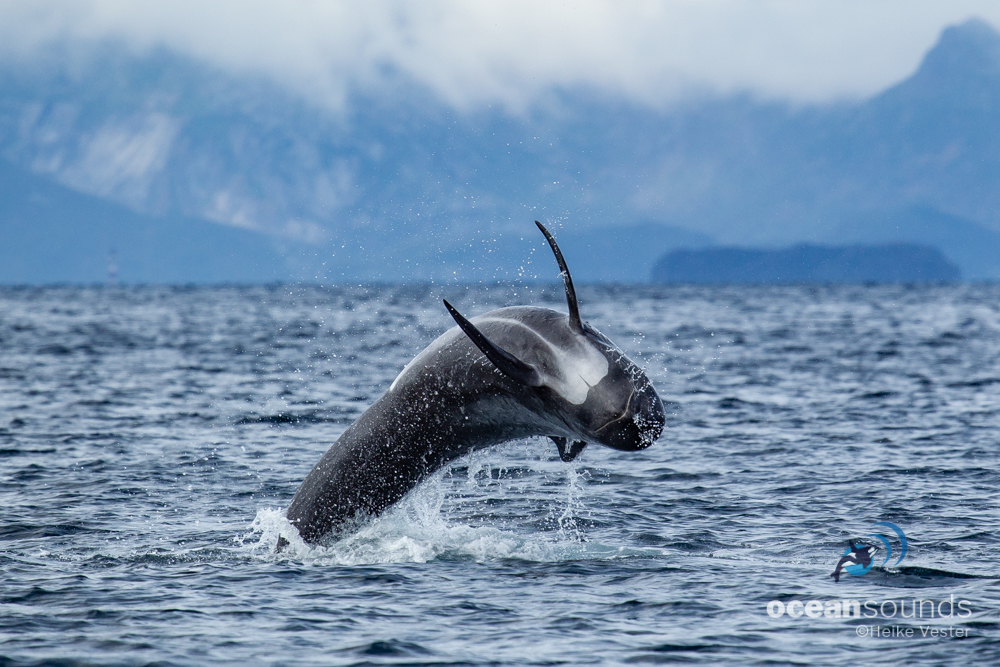
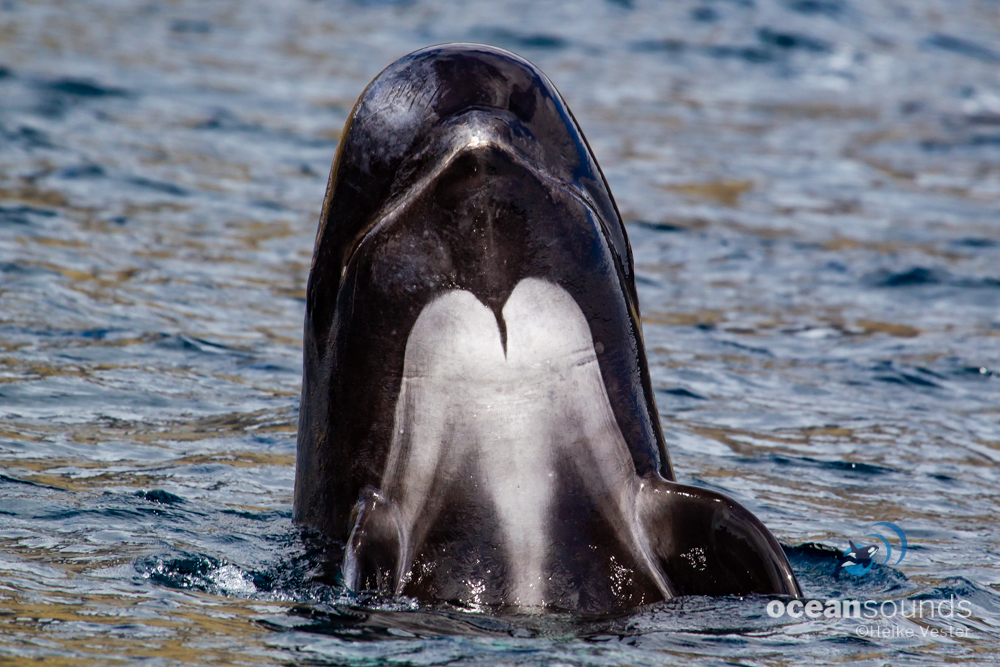
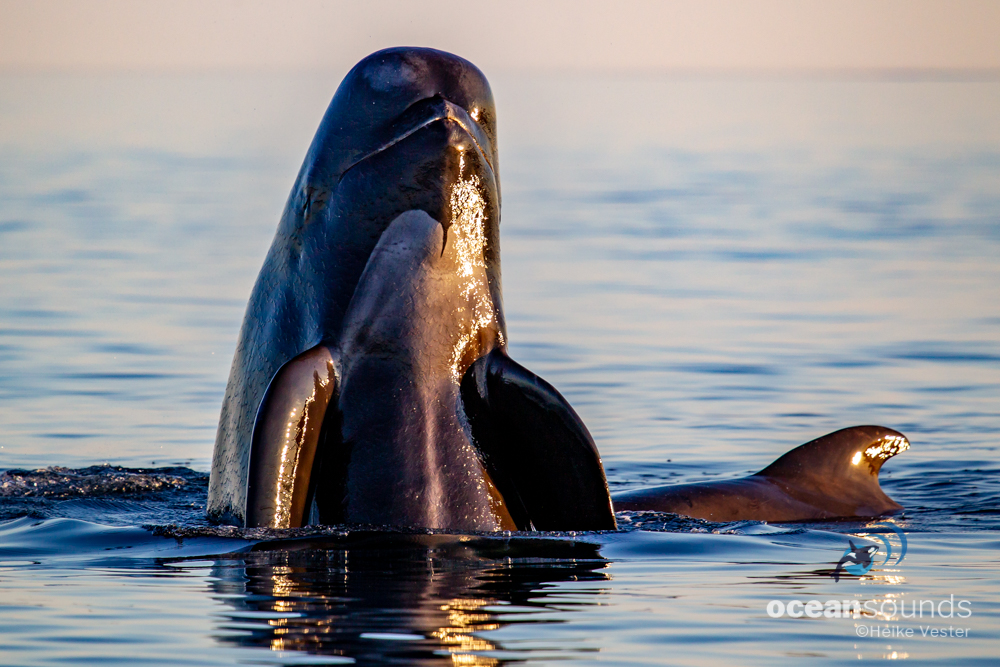
Identification: rounded dark grey head and dark body with some white on chest and belly, long fins, dolphin looking dorsal fin.
Group formation: Matrilineal groups (8-20), superpods (several hundreds to >1000)
Size: males 6.7 m, females 5.7 m, calf 1.8 m
Weight: males 2.3 tons, females 1.3 tons, calf 80 kg
Age: males 35-45 years, females 60 years
Sexual maturity: males ~12 years, females ~8 years
Gestation: 12-16 months, 3-5 years in between births
Weaning: 2-3 years or longer (up to 10 years)
Diet: squid (cephalopods) and some fish (mackerel, cod, Greenland turbot, herring, hake, dogfish).
Distribution: Two sub-species: North Atlantic (Globicephala melas melas) widespread to at least 68° N, and the Southern Hemisphere (Globicephala melas edwardii) from 19–60° S. They do not share the warmer waters with short-finned pilot whales.
Population size: unknown (probably circa 1 million global), model-based estimate of 152.000 in European waters
Conservation Status: Least Concern (2018), Pop. trend: unknown
Whaling (Faroe Islands, Japan, Greenland), plastic and chemical pollution, man-made noise impacts (seismic surveys, military sonar, shipping), entanglement in fishing gear, drive fisheries, vessel collisions, construction, overfishing, captivity.
Seismic surveys used to find oil, gas and deep sea minerals are one of the biggest problems in the sea nowadays. The coastline of Norway is especially full of these seismic surveys during the summer months when most whales migrate, feed and breed there! These extremely loud sounds (SL 260dB) can kill marine mammals directly, injure them, or scare them away on longer distances, these signals can be heard over 3000 km away!
In the recording below you can listen to Pilot whales communicating while hunting! This species has one of the most complex sound-based communication systems on any mammal! They can also mimic calls from other dolphin species as well as human-made noise like military sonar. Press play for some more interesting facts!