European Otter, Eurasian Otter
(Norsk: Oter)
Lutra lutra
Population (Mature individuals globally) : 57,880 – 361,140
Conservation Status : Near Threatened, Largely Depleted
Otters are found throughout the country, but are only considered a common species along the coast north of Central Norway. South of this, they are relatively rare and scattered, but nevertheless pop up in a variety of locations.
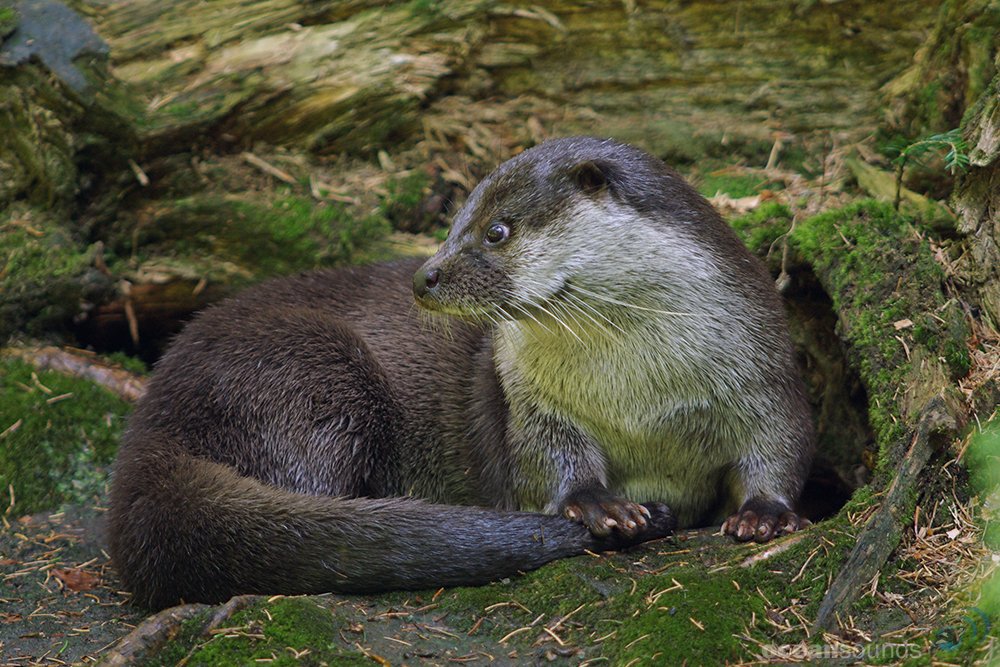
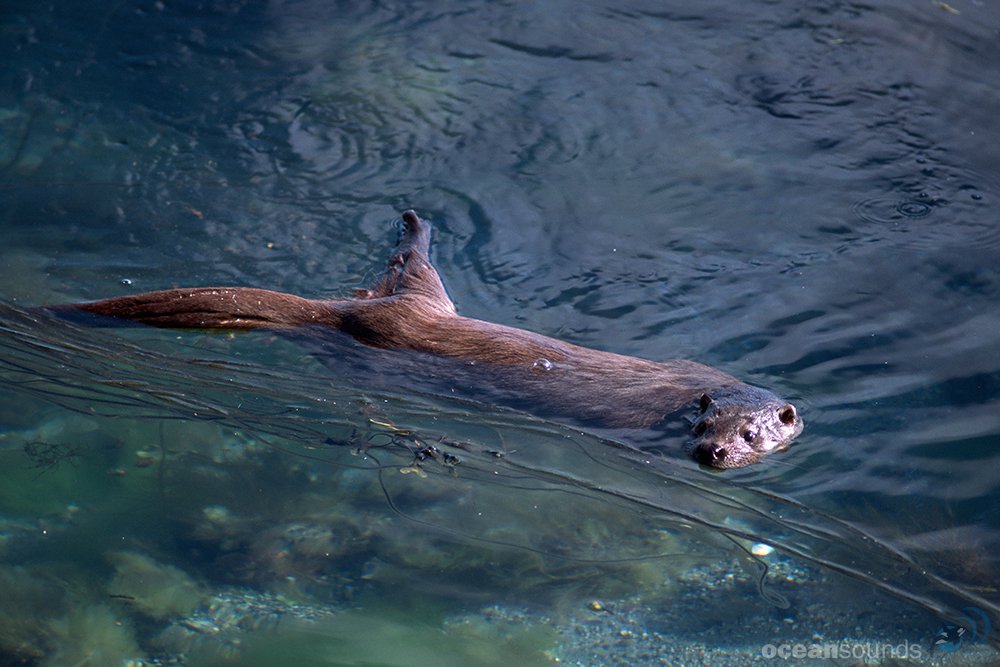
Identification: A large semi-aquatic mustelid with long, thick tapering tail; Fur typically dark brown, appearing almost black in some individuals when wet; Large brown/black nose; small eyes; small rounded ears that only just protrude beyond fur; webbed feet; head broad & flat with long whiskers; short legs give typical low-slung mustelid appearance
Group formation: Principally solitary territorial, females with 1-4 cubs
Size: 60-90cm (excluding tail of 35-45cm); males larger than females
Weight: 7-12kg (large old male may reach up to 17kg)
Age: 5-10 years
Gestation: 60-64 days (non-seasonal breeders)
Weaning: 14 weeks
Sexual maturity: males 18 months, females 24 months
Diet: fish (particularly eels and salmonids), waterbirds, amphibians and crustaceans
Distribution: most widely distributed otter species, from parts of Asia and Africa and across Europe.
Population: Best estimate 57,880 – 361,140 mature individuals globally
Conservation Status: Near Threatened (2020), Largely Depleted (2021). Population is severely fragmented and Pop. trend is decreasing
Chemical and plastic pollution, entanglement in fishing gear, overfishing, trapping for fur, coastal development, dams, climate change, and conflict with agriculture and aquaculture.