
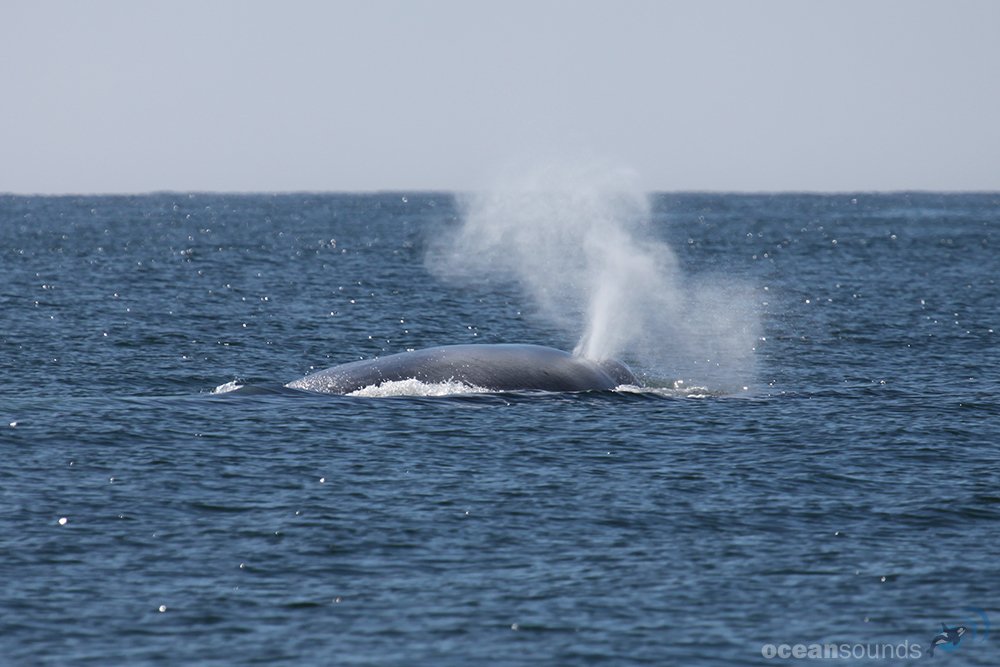
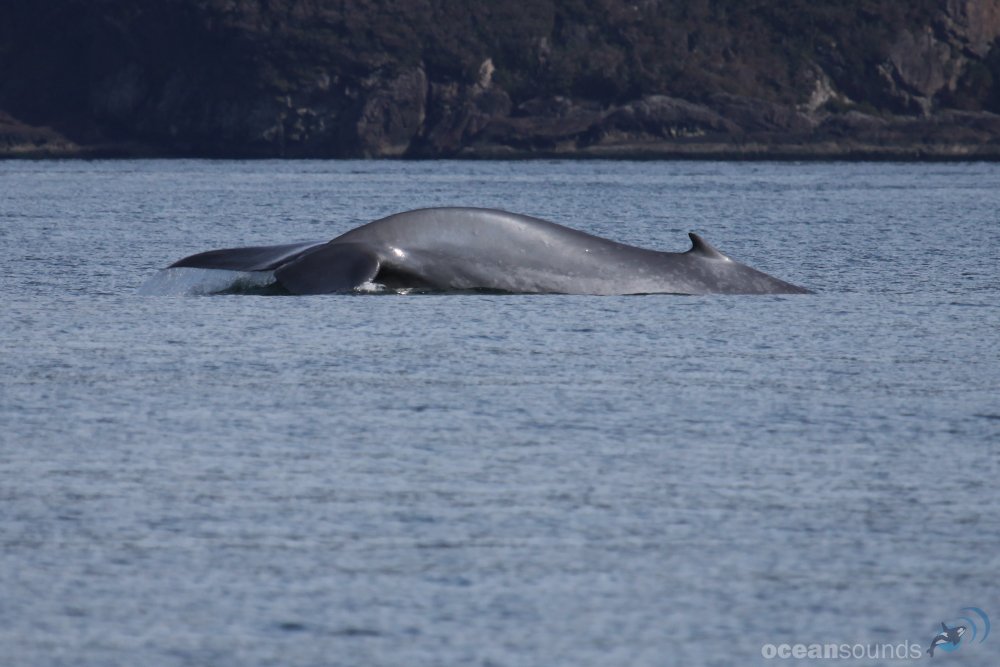
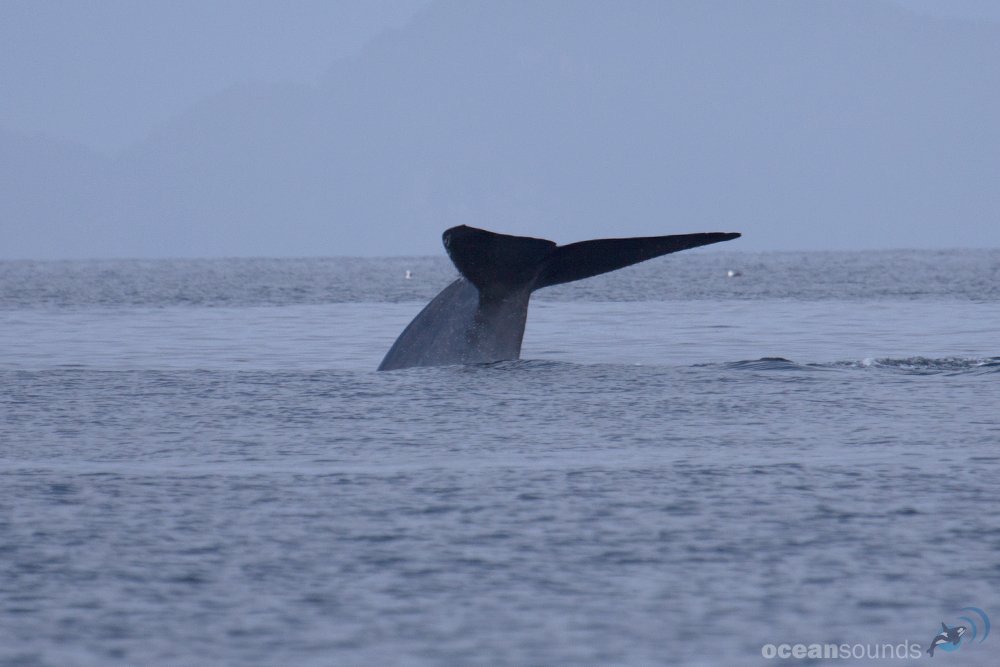
Blåhval
Balaenoptera musculus
Chile: sett langs kysten av Chile (foringsplasser i Corcovadobukta) på deres migrasjoner til hekkeplassene ved ekvator
Gruppeformasjon: Solitær (mor-kalv-par)
Størrelse: menn 29 m, kvinner 33 m, kalv 7 m
Vekt: menn 150 t, kvinner 180 t, kalv 2,7 t
Tut: 12 m
Alder: 60-120 år
Seksuell modenhet: ukjent ca 5-15 år
Fysisk modenhet: ca. 20 år
Svangerskap: 10-12 mnd, med 2-3 år mellom
Avvenning: 6-8 mnd
Kosthold: Krill (euphausiids)
Distribusjon: På verdensbasis i alle hav er blåhval på den nordlige halvkule mindre enn på den sørlige halvkule, nord-sør migrasjoner
Chile: sett langs kysten av Chile (foringsplasser i Corcovadobukta) på deres migrasjoner til hekkeplassene ved ekvator
Befolkningsstørrelse: global 10.000-25.000, heavily exploited (70-90% reduced)
Conservation Status: Endangered A1abd ver 3.1, Pop. trend: increasing
Threats: Vessel collisions, chemical and plastic pollution, man-made noise impacts (seismic surveys, military sonar), entanglement in fishing gear, over fishing
Humpback whale
Megaptera novaeangliae
Chile: Migrate from breeding grounds in Columbia to feeding grounds along the coast of southern Chile (Gulf of Corcovado, Magellan strait) to Antarctic waters south to the ice edge, animals can be seen in Aysen November-June.
Gruppeformasjon: Solitary – gregarious (mother-calf pair/male escort, larger feeding groups)
Størrelse: menn 13-14 m, kvinner 15-16 m, kalv 6 m
Vekt: menn 28 t, kvinner 33 t, kalv 2 t
Tut: 3-6 m
Alder: 45-100 yrs
Seksuell modenhet: menn 7 yrs, kvinner 5 yrs
Fysisk modenhet: ca. 20 år
Svangerskap: 11-12mths, with 2-3 yrs in between
Avvenning: 6-7 months
Kosthold: Krill and copepods in the Southern Oceans.
Distribusjon: Worldwide with 4 populations, in the North Atlantic, North Pacific and Southern Oceans
Befolkningsstørrelse: global ca. 80.000, heavily exploited (90% reduced)
Conservation Status: Least Concern ver 3.1, Pop. trend: increasing
Threats: Vessel collisions, whaling (Greenland, Japan, Caribbean island Bequia in the nation of St. Vincent and the Grenadines), plastic pollution, man-made noise impacts (seismic surveys, military sonar), entanglement in fishing gear, over fishing


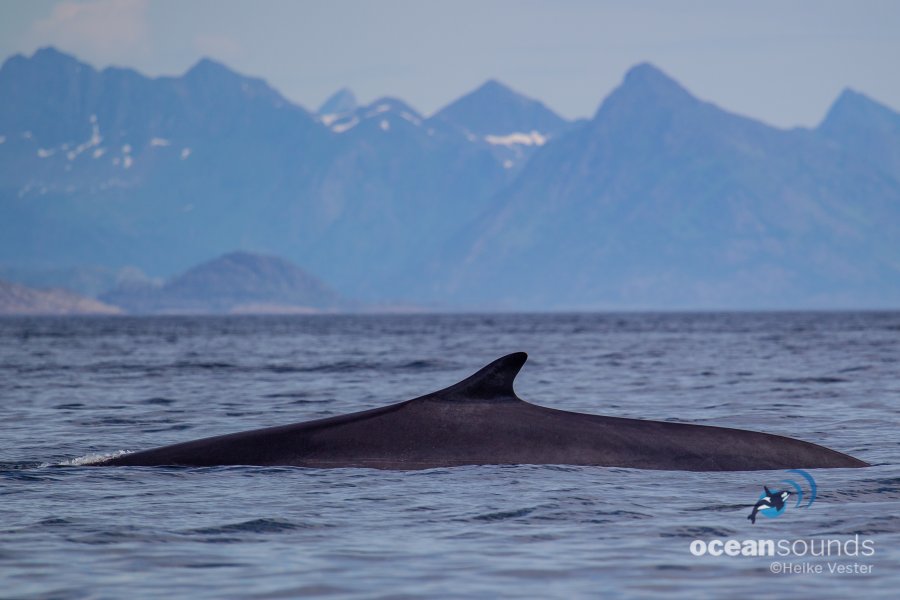
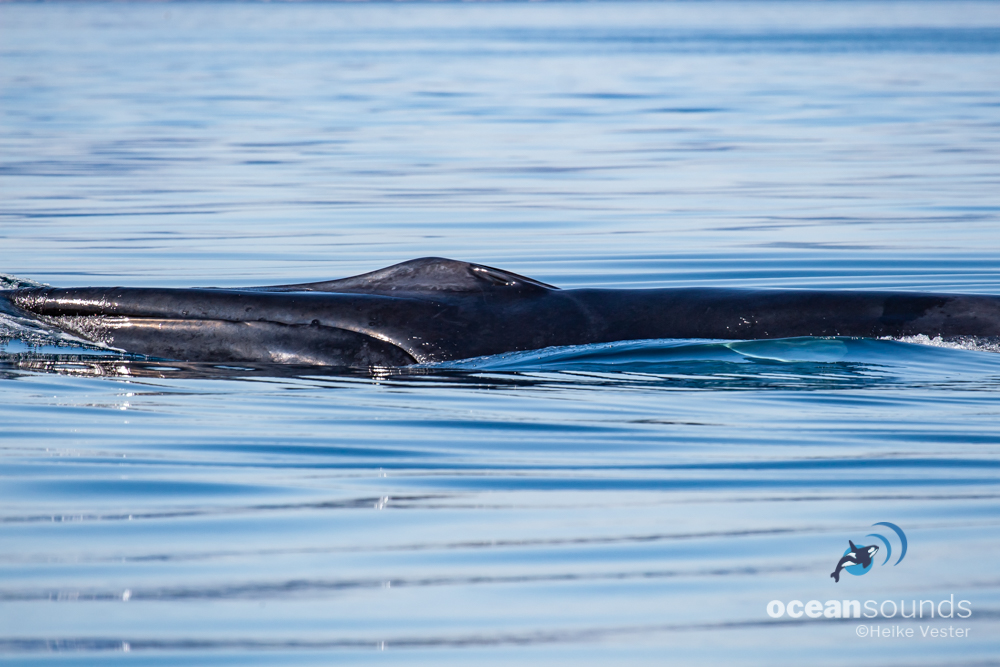

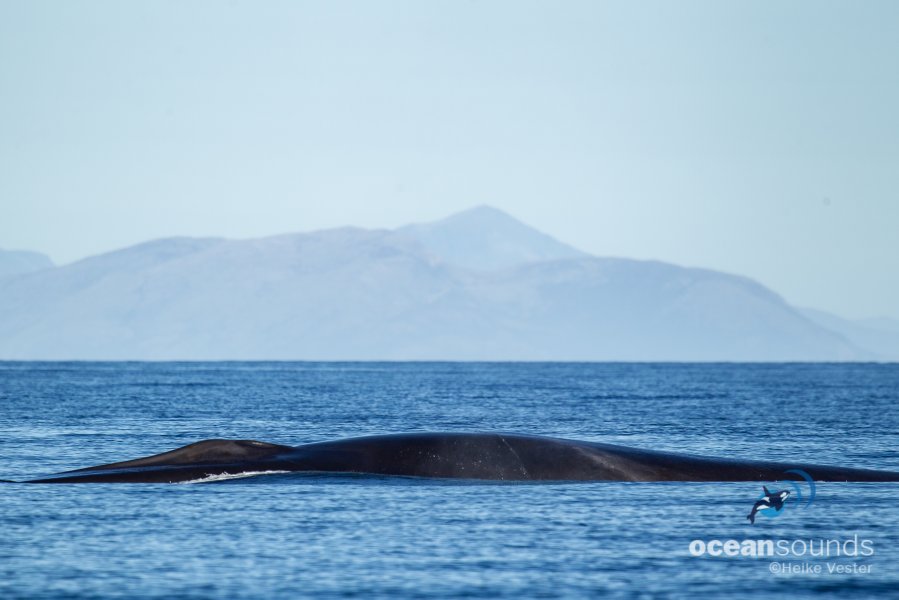
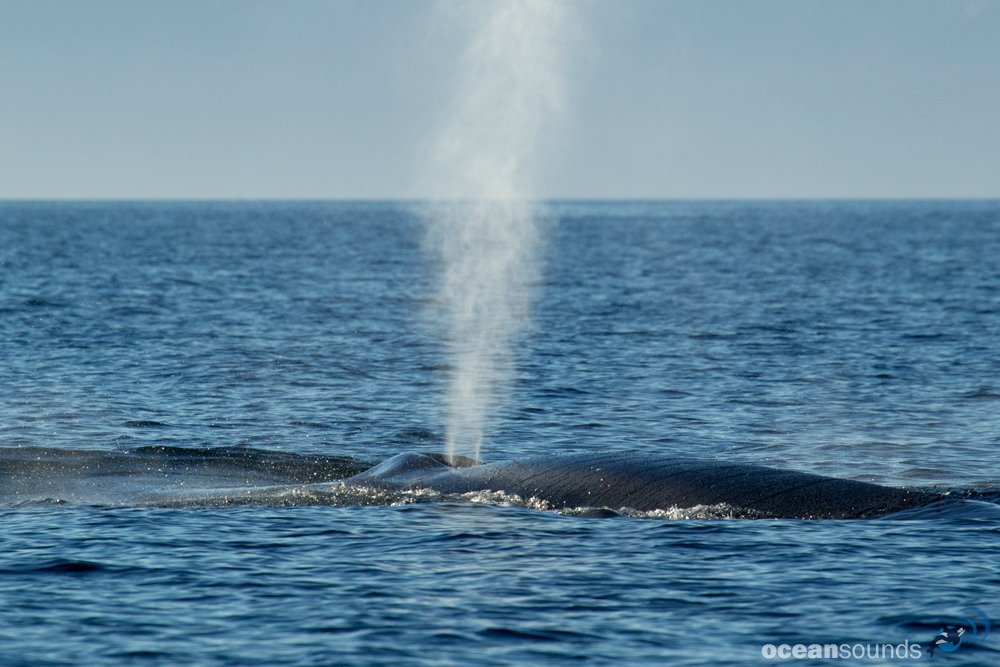

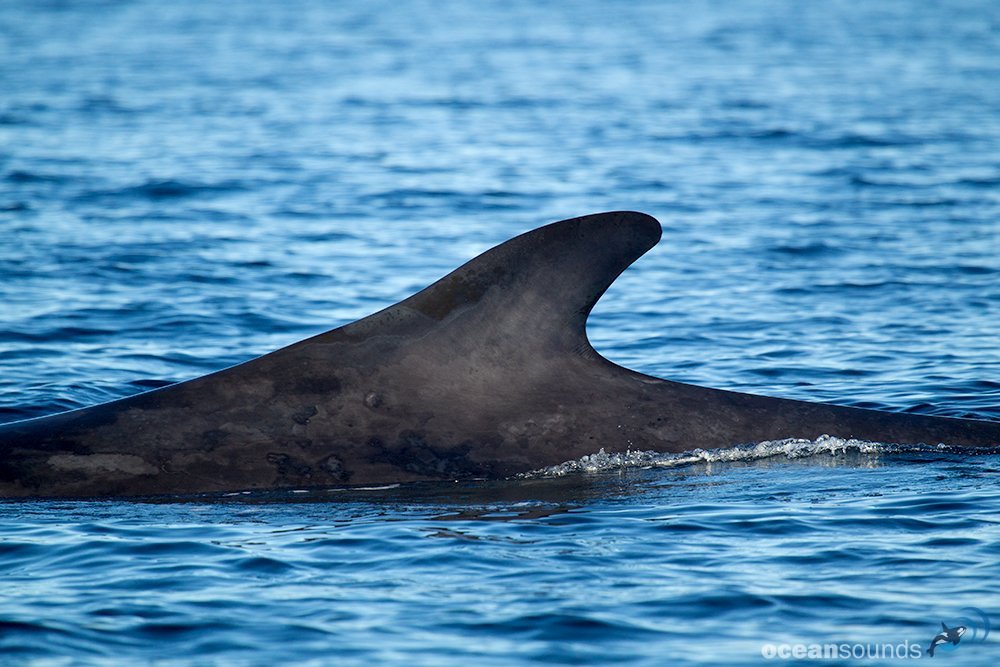
Southern Fin whale
Balaenoptera quoyi
Chile: Southern hemisphere population migrates yearly between the equator and Antarctica. In the Gulf of Corcovado, fin whales are seen feeding during the months December-March either solitary, mother calf pairs or in larger feeding groups.
Gruppeformasjon: Solitary-gregarious (2-15 loose, feeding groups > 100)
Størrelse: menn 22-25m, kvinner 24-27m, kalv 6.5m
Vekt: 40-80 tons, kalv 1.8 tons
Tut: ca 6m, narrow
Alder: 90-140 yrs
Seksuell modenhet: 6-12 yrs
Fysisk modenhet: 20-30 yrs
Svangerskap: 11 months, 2-3 yrs between births
Avvenning: 6-7 months
Kosthold: mostly euphausiids and amphipods, and some small schooling fish.
Distribusjon: Northern and Southern hemisphere sub-species, cosmopolitan from tropic to Polar Regions
Befolkningsstørrelse: global ca. 100.000-190.000, heavily exploited
Conservation Status: Endangered A1d ver 3.1, Pop. trend: unknown
Threats: Vessel collisions, whaling (Iceland, Greenland, Japan), plastic pollution, man-made noise impacts (seismic surveys, military sonar), over fishing (e.g. krill in Antarctica)
Sei whale
Balaenoptera borealis
Chile: seen along the coast of Chile (feeding grounds in Aysen), not well known
Gruppeformasjon: Solitary (mother-calf pair, small groups 2-5)
Størrelse: menn 17 m, kvinner 19.5 m, kalv 4.5 m
Vekt: 45 t, calf 1 t
Tut: 3-4 m, “bushy”
Alder: 50-70 yrs
Seksuell modenhet: unknown ca 6-12 yrs
Svangerskap: 10-13 mths, with 2-3 yrs in between
Avvenning: 6-9 months
Kosthold: small schooling fish, krill, copepods, and zooplankton
Distribusjon: Worldwide in all oceans, but rarely in polar or tropical waters
Befolkningsstørrelse: unknown
Conservation Status: Endangered A1ad ver 3.1, Pop. trend: unknown
Threats: Vessel collisions, chemical and plastic pollution, man-made noise impacts (seismic surveys, military sonar), entanglement in fishing gear, over fishing


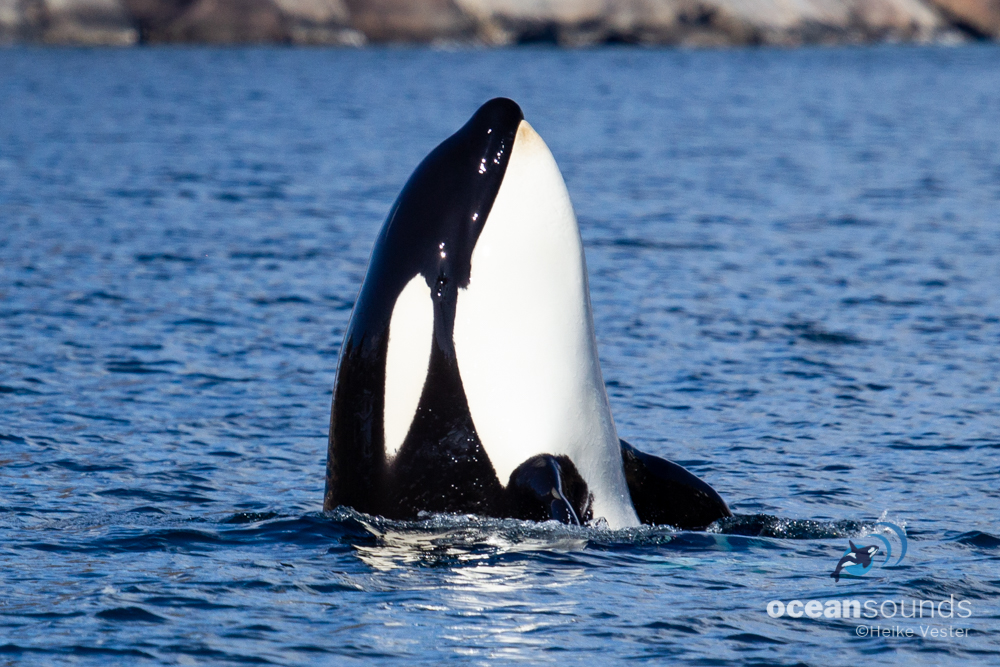

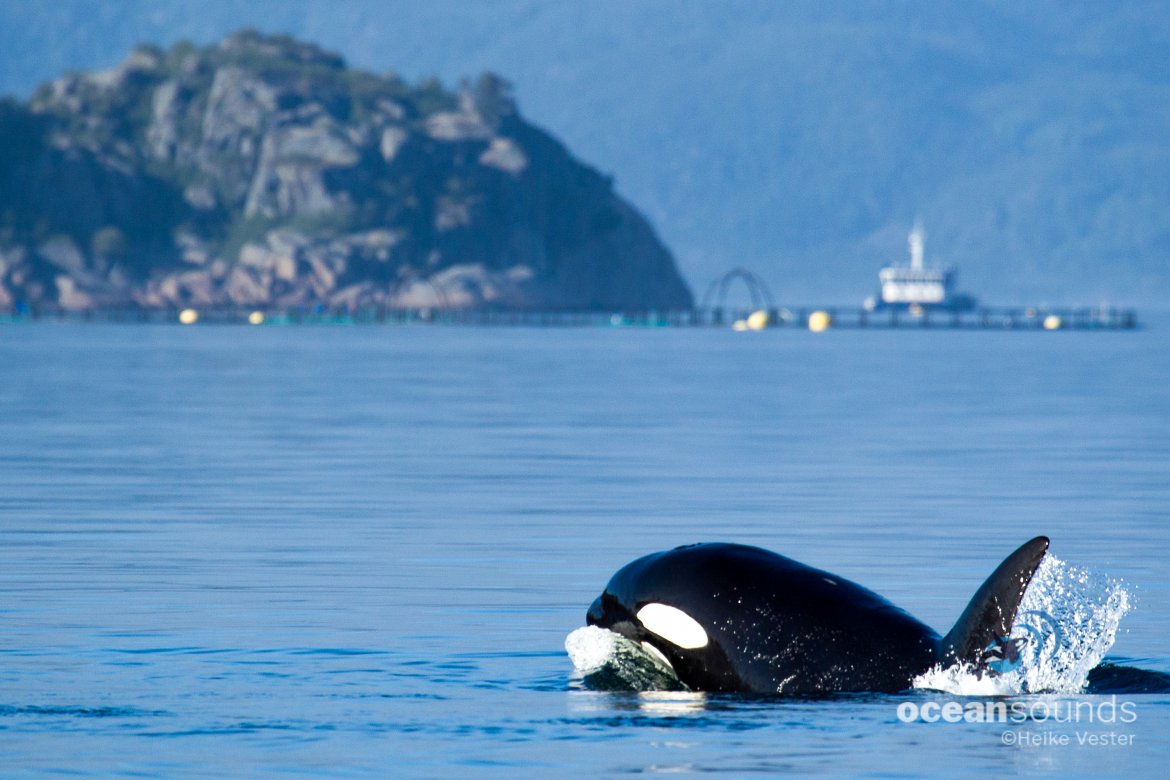
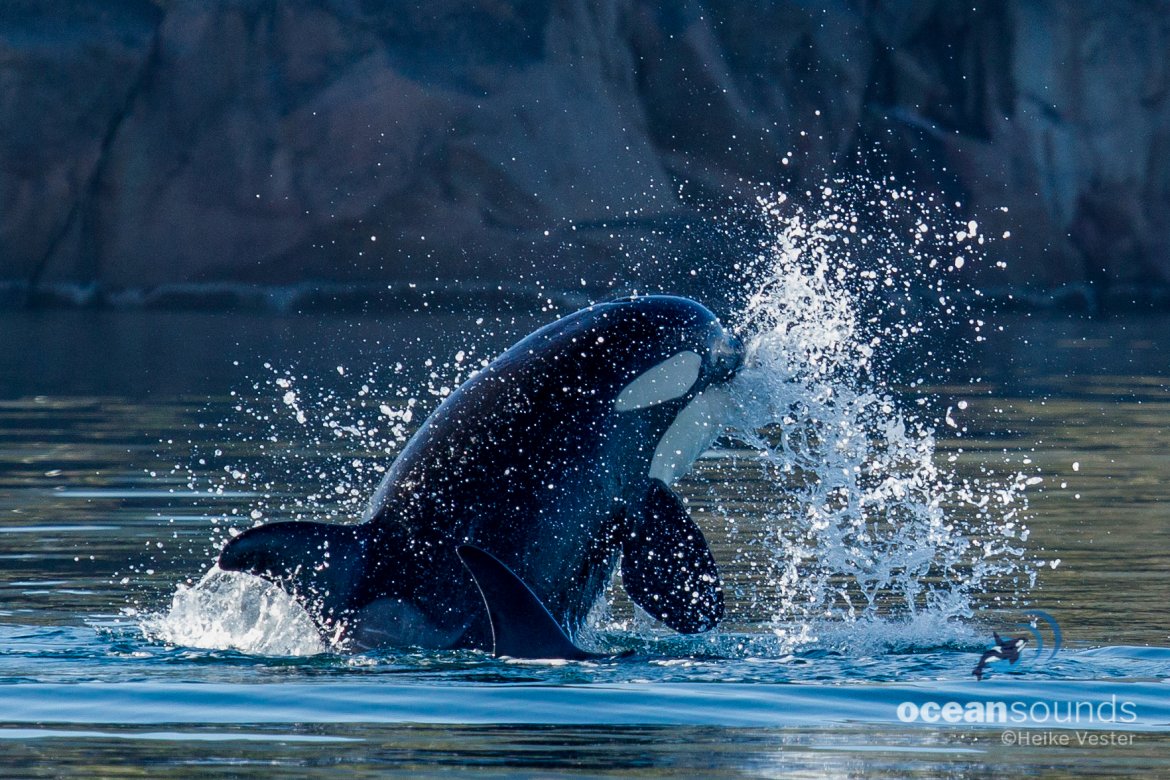
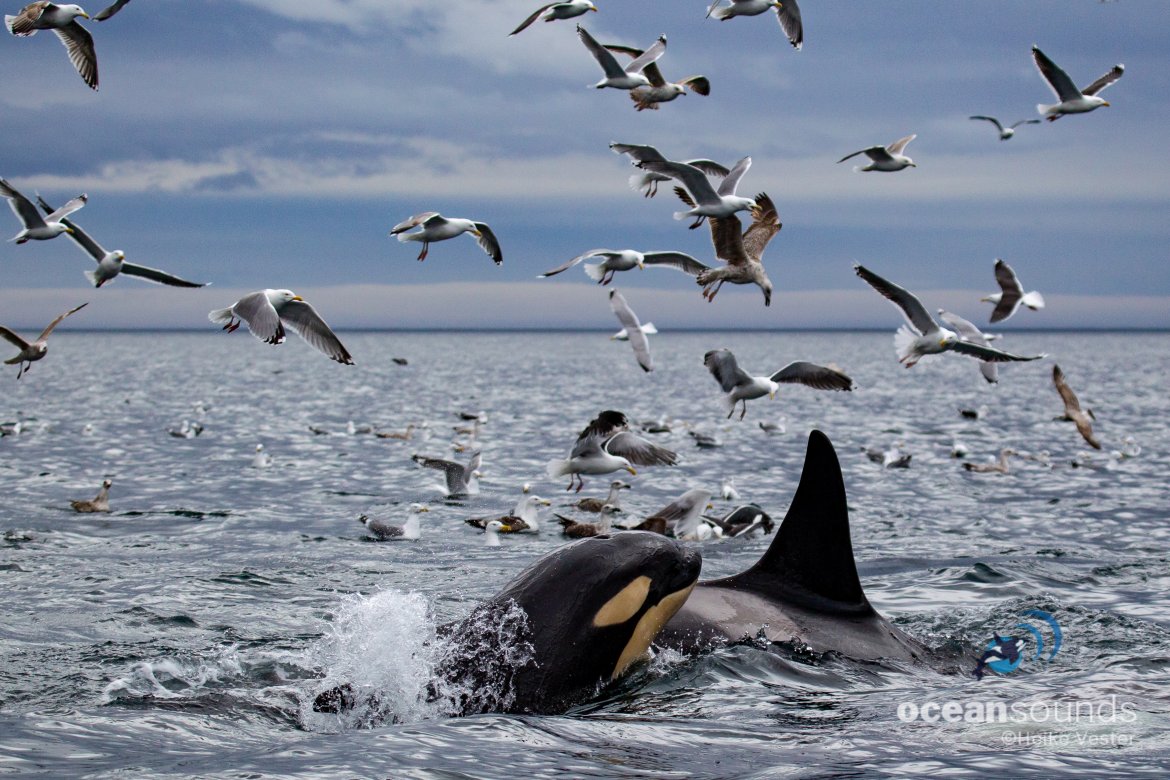
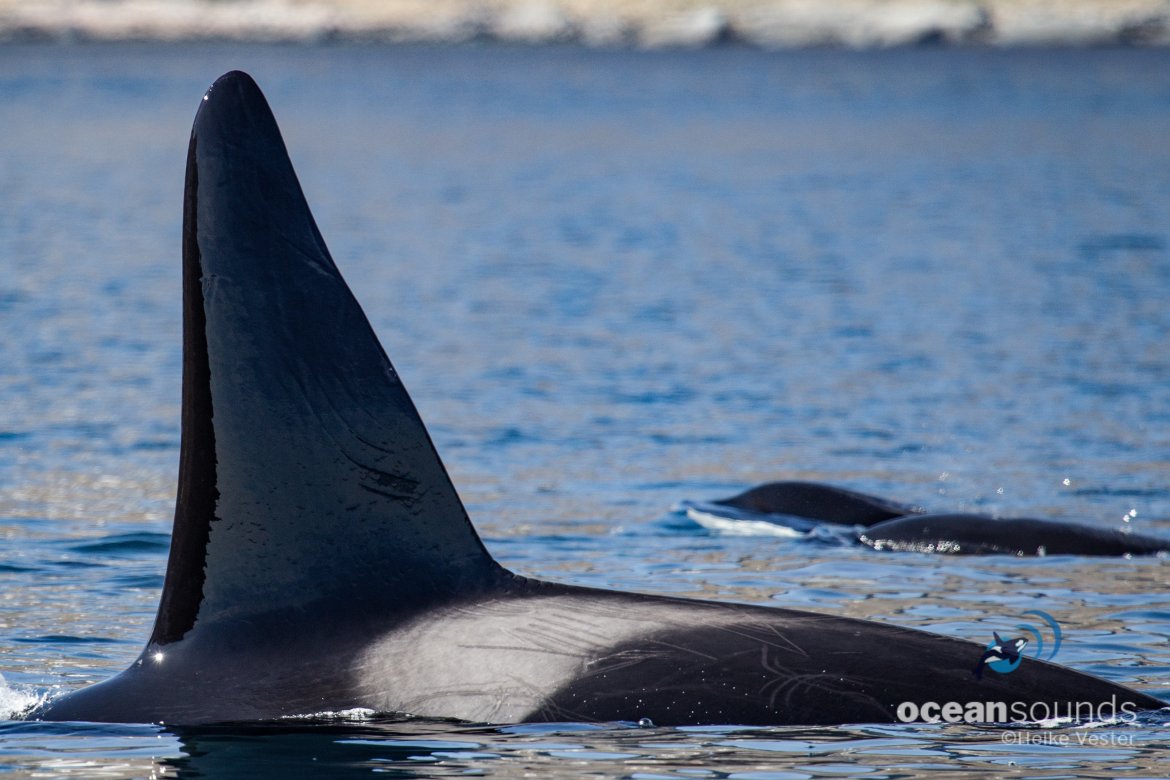
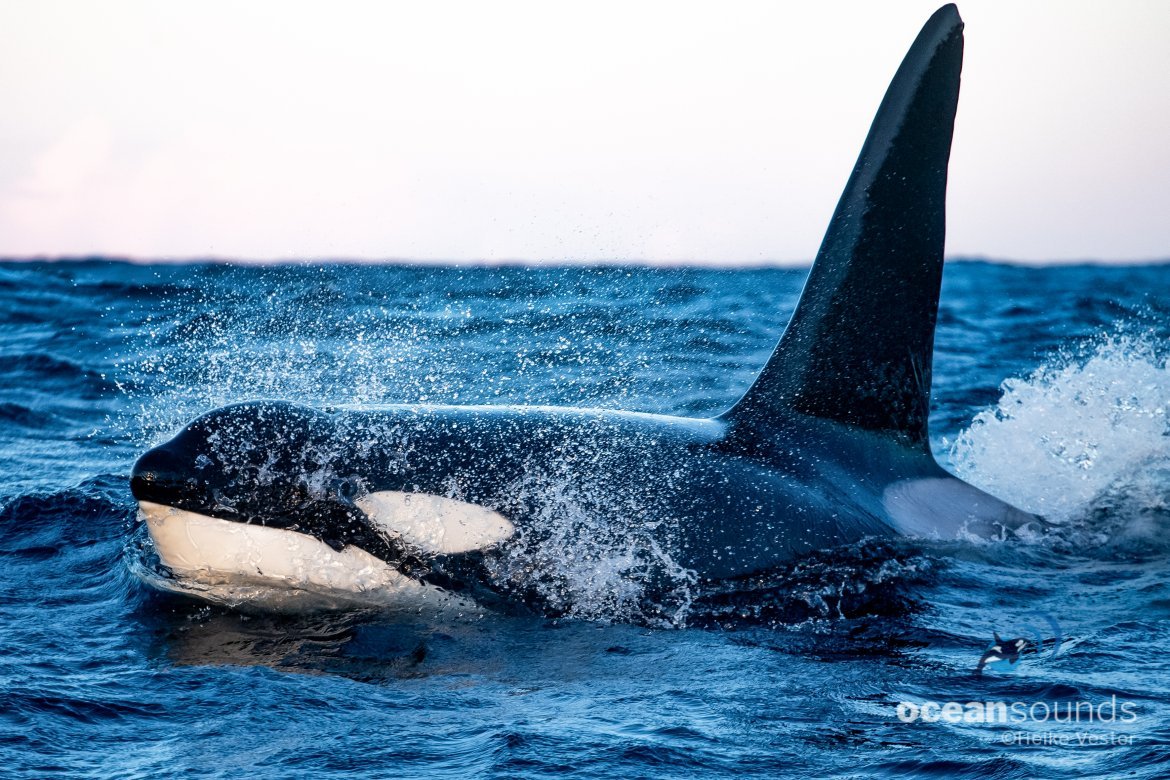
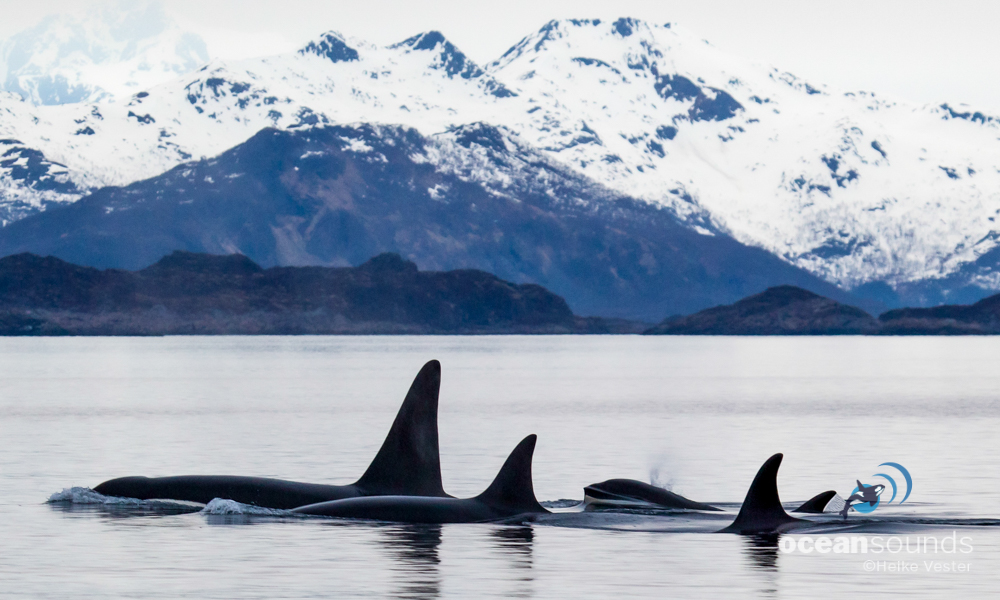
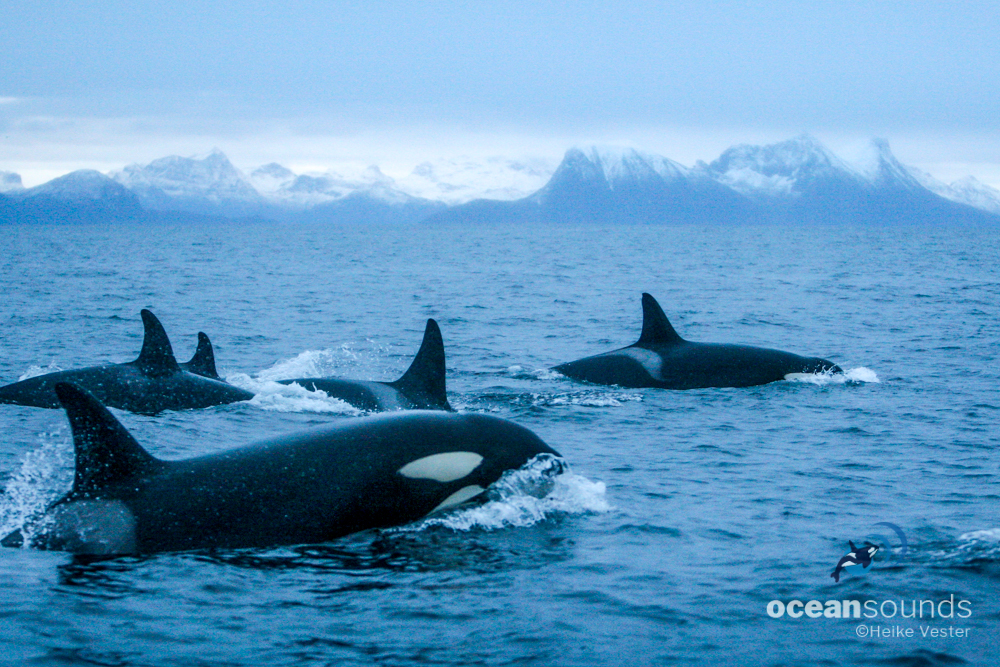
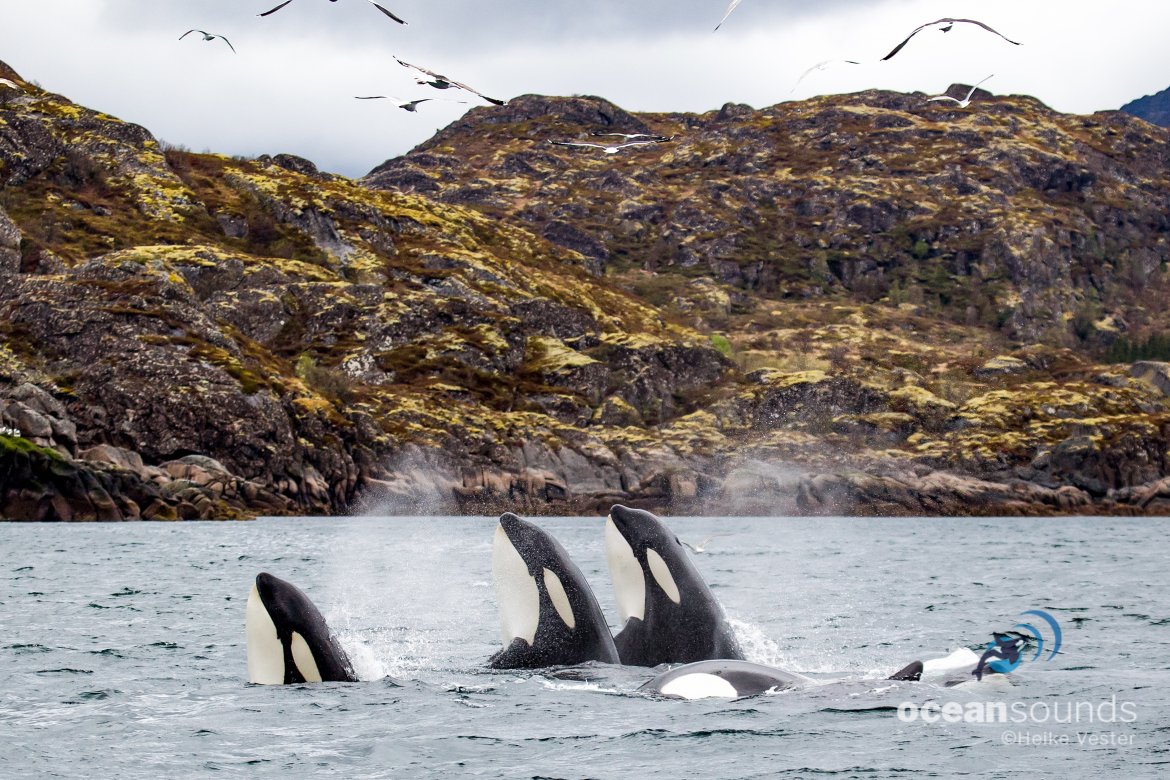
Killer Whales or Orca
Orcinus spekkhugger
Chile: Orcas are distribution all along the coast, but low in numbers, can be seen close to seal colonies or inside the channels and fjords in Aysen.
Gruppeformasjon: Matrifocal groups (size 4-15)
Størrelse: menn 6-10m, kvinner 5-8m, kalv 2.2m
Vekt: menn 5-6tons, kvinner 3-4tons, kalv 180kg
Alder: menn 30 (60)yrs, kvinner 50 (80-103)yrs
Seksuell modenhet: menn 15-20 yrs, kvinner 15 yrs
Fysisk modenhet: menn 20-25 yrs, kvinner 15 yrs
Svangerskap: 16-17mths, birth every 3-4 yrs, menopause around 40yrs of age
Kosthold: Marine mammals, some fish
Distribusjon: Toothed whale, largest dolphin, distributed all over the world.
Population: min. 50 000
Conservation Status: Data Deficient ver 3.1, Pop. trend: unknown
Threats: whaling (Indonesia, Greenland), plastic pollution, man-made noise impacts (seismic surveys, military sonar), entanglement in fishing gear, over fishing
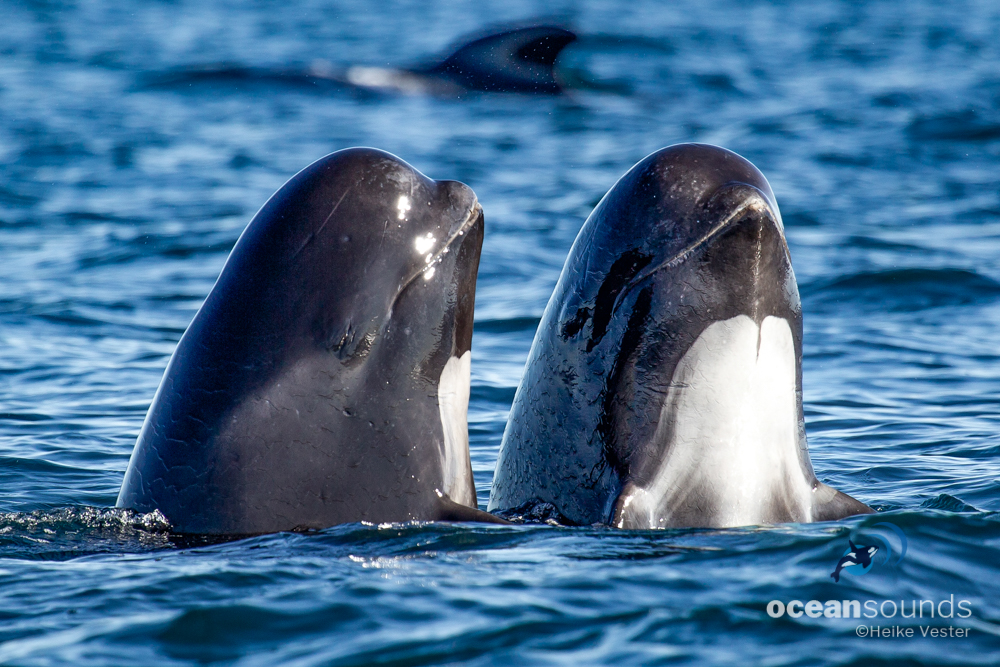
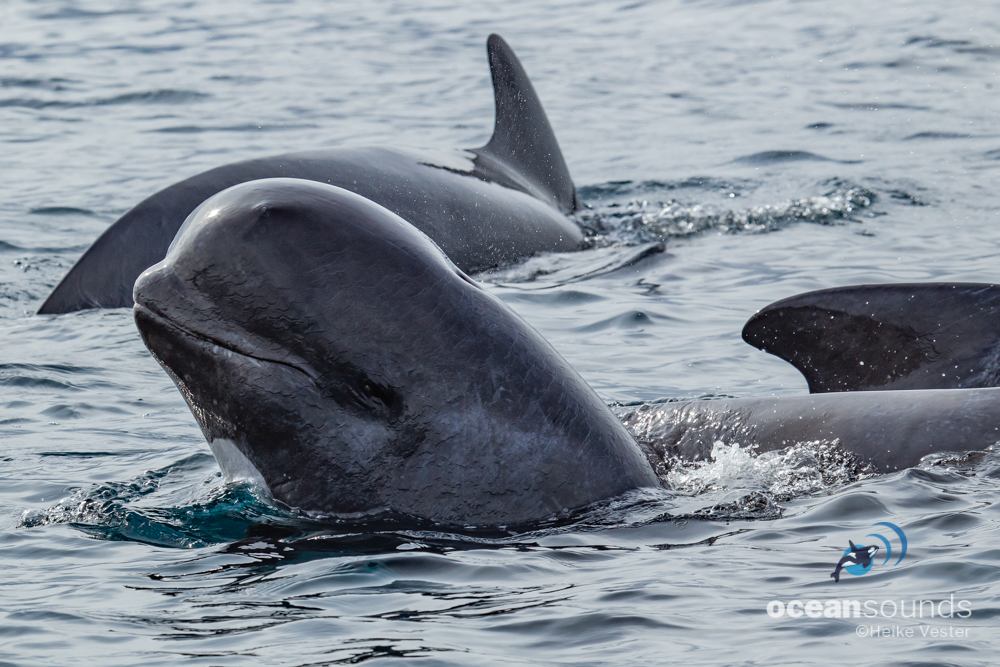
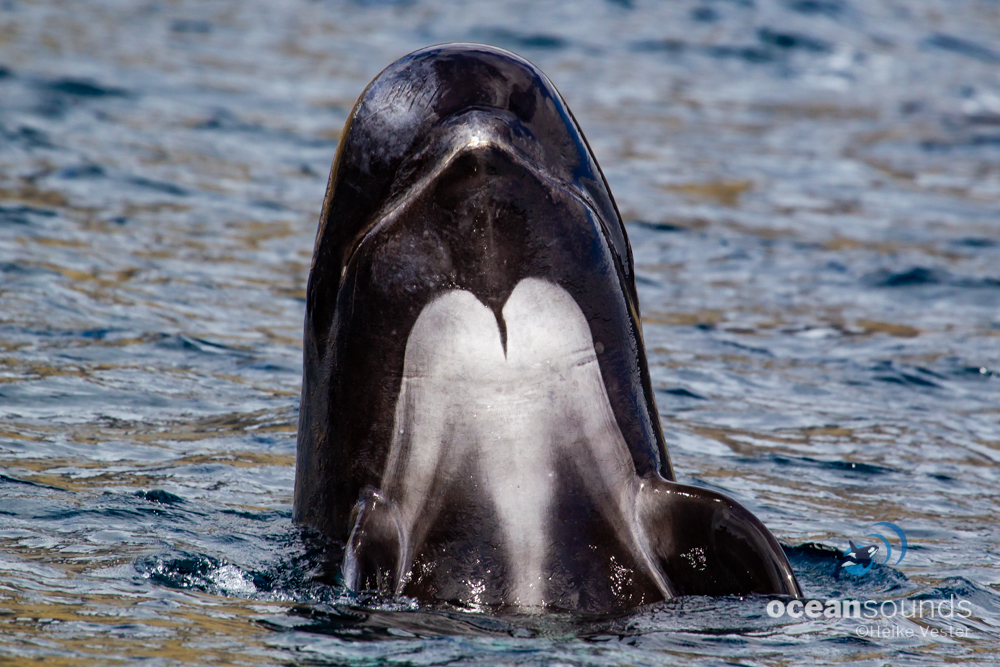
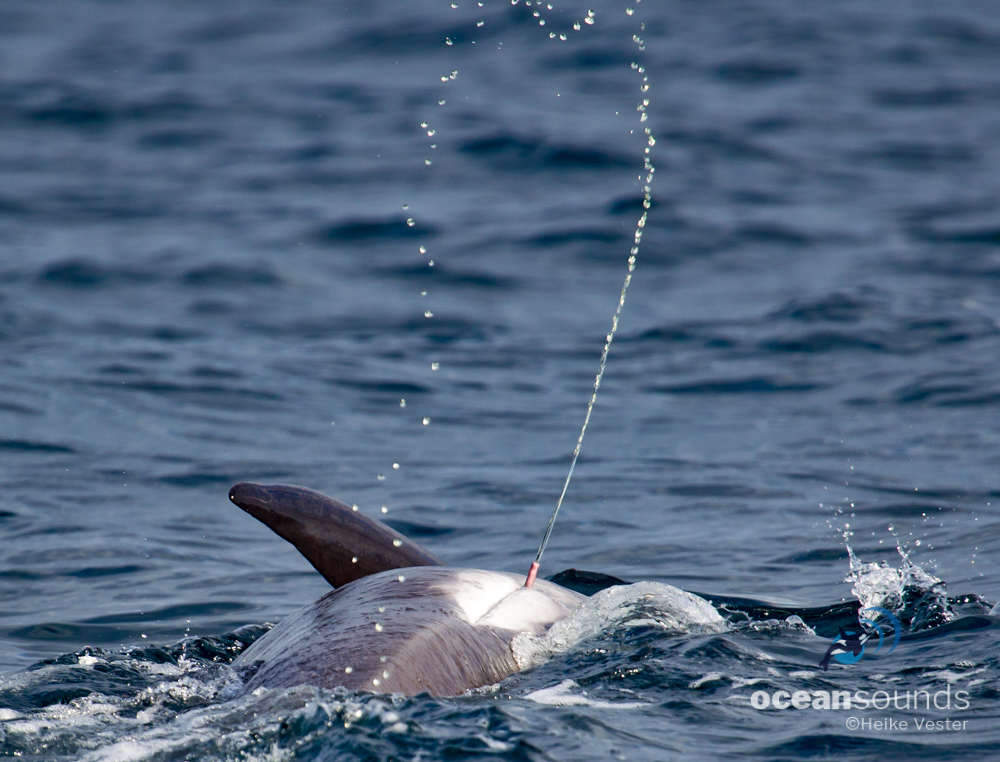
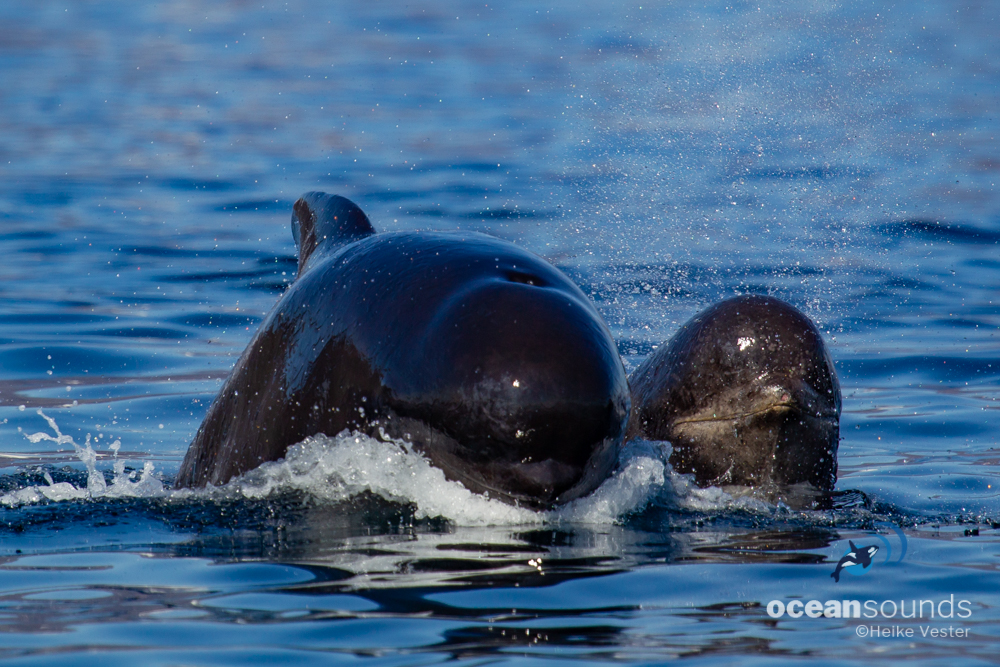
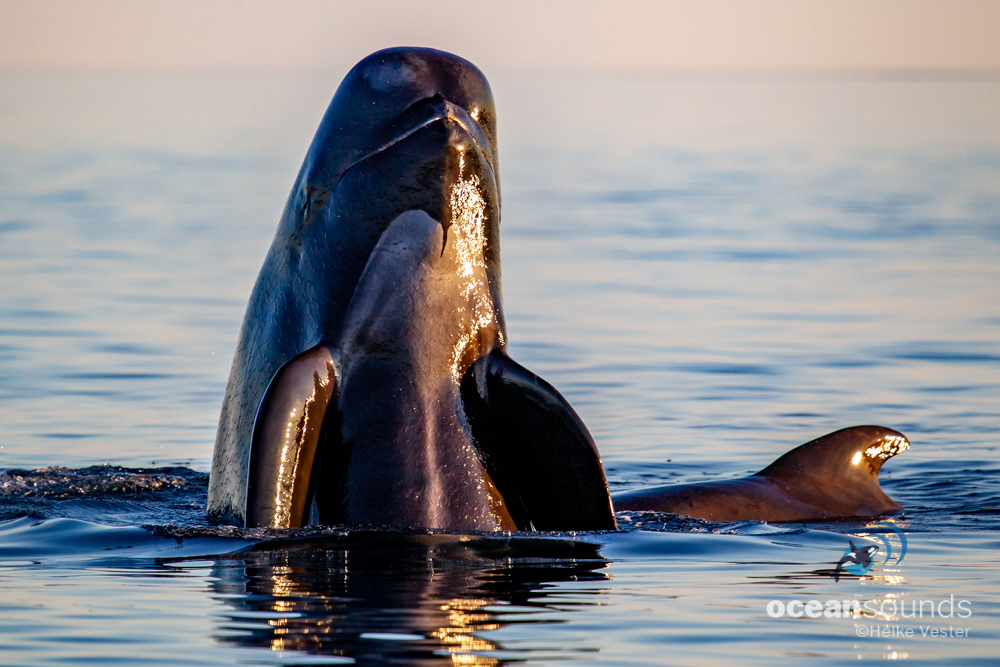
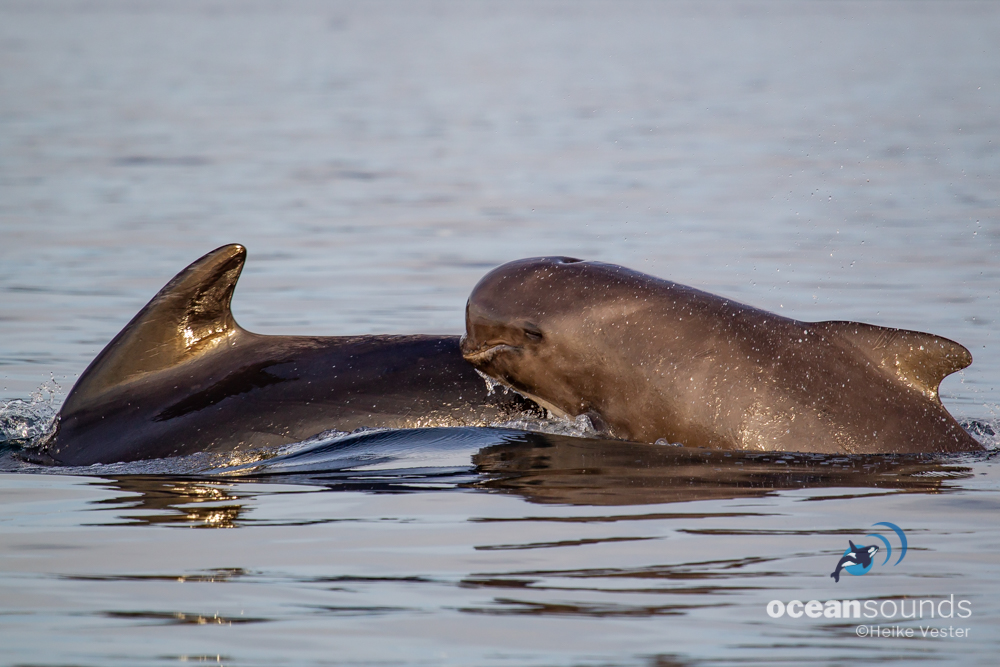
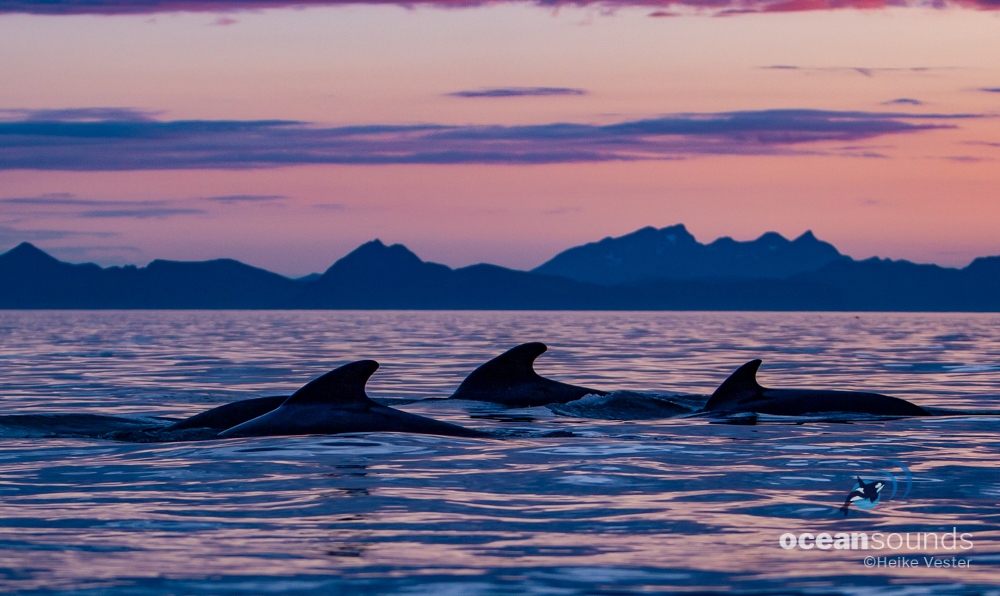
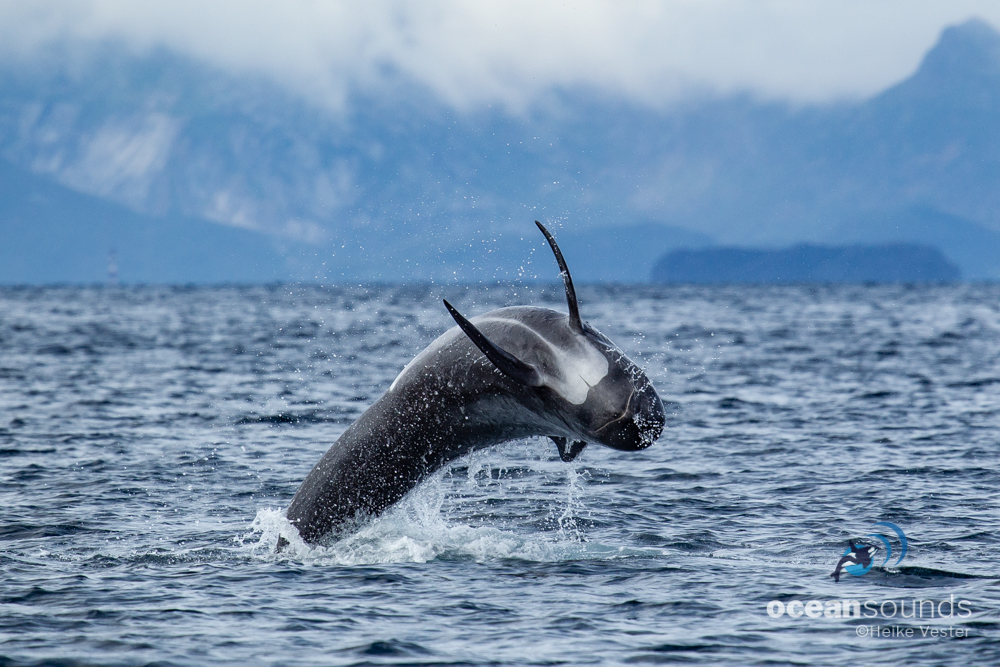
Long-finned Pilot whale
Globicephala melas
Chile: off the coast in deeper water, Beagle channel, but mostly unknown.
Gruppeformasjon: Matrifocal groups (5-15) several matrilineal groups (size 50-200)
Størrelse: menn 7.8 m, kvinner 5.8 m, kalv 1.8 m
Vekt: menn 2.3 t, kvinner 1.3 t, kalv 100 kg
Alder: menn 40 yrs, kvinner 60 yrs
Seksuell modenhet: menn 12-15 yrs, kvinner 6-15 yrs
Svangerskap: 12-15 mths, 3-5 yrs in between births
Avvenning: 27 months or longer (up to 10 years)
Kosthold: squid (cephalopods) and some fish
Distribusjon: Two sub-species: North Atlantic (Globicephala melas melas) widespread to at least 68° N, and the Southern Hemisphere (Globicephala melas edwardii) from 19–60° S. They do not share the warmer waters with short-finned pilot whales.
Conservation Status: Data Deficient ver 3.1, Pop. trend: unknown
Threats: whaling (Faeroe Islands, Japan, Greenland), plastic and chemical pollution, man-made noise impacts (seismic surveys, military sonar), entanglement in fishing gear, over fishing, captivity.
Seismic surveys used to find oil, gas and deep sea minerals are one of the biggest problems in the sea nowadays, especially the coats of Norway is full of such surveys during the summer months when most whales migrate, feed and breed there! These extremely loud sounds (SL 260dB) can killer marine mammals directly or scare them away on longer distances, these signals can be heard over 3000km away!
This video demonstrates seismic surveys 300-500km away and pilot whales in the Vestfjord:





Chilean dolphin
Cephalorhynchus eutropia
Chile: common in the fjords and channels of Aysen, groups of 8-20, not very social, often seen with Chilean dolphins and with Commerson’s dolphins
Gruppeformasjon: Social groups 10-30
Størrelse: 1.7 m, kalv 1 m
Vekt: 63 kg, kalv unknown
Alder: unknown
Seksuell modenhet: 5-9 yrs
Svangerskap: unknown
Avvenning: unknown
Kosthold: small schooling fish, such as sardines (Strangomera bentincki), squid (Loligo gahi), and crustaceans (e.g. Munida subrugosa)
Predators: sharks, killer whales
Distribusjon: endemic to cold, shallow, coastal waters, estuaries, and channels around Chile from 33° S to the tip of South America to the Strait of Magellan and channels of Tierra del Fuego
Befolkningsstørrelse: < 5000
Conservation Status: Data Deficient ver 3.1, Pop. trend: unknown
Threats: Illegal catches for bait and consumption (Peru, Ecuador, Chile), chemical and plastic pollution, man-made noise impacts (seismic surveys, military sonar), entanglement in fishing gear, bycatch, over fishing
Peale’s dolphin
Lagenorhynchus australis
Chile: very common in the Gulf of Corcovado, groups of 10-30, very social, often seen with Chilean dolphins
Gruppeformasjon: Social groups 10-30
Størrelse: 2.1 m, kalv 1 m
Vekt: 115 kg, kalv unknown
Alder: unknown
Seksuell modenhet: unknown
Svangerskap: 10-12 mths
Avvenning: ca. 2 yrs
Kosthold: identified prey – Pleoticus muelleri (Argentine shrimp), squid (Loligo gahiand Illex argentinus), Kingklip fish (Genypterus blacodes), Argentine hake (Merluccius hubbsi), southern cod (Salilota australis), hagfish (Myxine australis), Pantagonian grenadier (Marcuronus magellanicus), red octopus (Enteroctopus megalocyathus), other species of herring, makarel, capelin, anchovies, crustaceans and whelks (gastropods)
Predators: sharks, killer whales
Distribusjon: endemic to the coastal waters around southern South America, from 38- 44° S to 60° S
Chile: very common in the Gulf of Corcovado, groups of 10-30, very social, often seen with Chilean dolphins
Befolkningsstørrelse: unknown
Conservation Status: Data Deficient ver 3.1, Pop. trend: unknown
Threats: Illegal catches for bait and consumption (Peru, Ecuador, Chile), chemical and plastic pollution, man-made noise impacts (seismic surveys, military sonar), entanglement in fishing gear, bycatch, over fishing


Commerson’s dolphin
Cephalorhynchus commersonii
Chile: we have seen them inside the fjords of Aysen with a group of Chilean dolphins (first record of this species in Aysen)
Gruppeformasjon: Social groups 1-10
Størrelse: 1.5-1.7 m, kalv 1 m
Vekt: 45-86 kg, kalv 5.5 kg
Alder: 20 yrs
Seksuell modenhet: 5-9yrs
Svangerskap: 12 mths
Avvenning: unknown
Kosthold: opportunistic coastal feeders, mostly mysid shrimp, fish, squid, algae, isopods and other benthic invertebrates
Predators: sharks, killer whales
Distribusjon: two populations, one in Argentina / in the Strait of Magellan / near the Falkland Islands and a second lives near the Kerguelen Islands
Befolkningsstørrelse: unknown
Conservation Status: Data Deficient ver 3.1, Pop. trend: unknown
Threats: Illegal catches for bait and consumption (Peru, Ecuador, Chile), chemical and plastic pollution, man-made noise impacts (seismic surveys, military sonar), entanglement in fishing gear, bycatch, over fishing, captivity
Common Bottlenose dolphin
Tursiops truncatus
Chile: very common in the Gulf of Corcovado, groups of > 100, very social and active
Gruppeformasjon: Social fission fusion groups 10-30 (sometimes up to 100, mix with other dolphins)
Størrelse: 2-4 m, kalv 1.3 m
Vekt: 200-600 kg, kalv 9-21 kg
Alder: 40-50 yrs
Seksuell modenhet: varies with populations 5-14 yrs
Svangerskap: 12 mths, 4-6 yrs in between
Avvenning: 2.5-3 yrs
Kosthold: mostly fish, invertebrates, squids
Predators: sharks, killer whales, false killer whales, pygmy killer whales, short-finned pilot whales
Distribusjon: worldwide distribution ranging 45° N to 45° S, in temperate and tropical waters
Chile: very common in the Gulf of Corcovado, groups of > 100, very social and active
Befolkningsstørrelse: 600.000
Conservation Status: Least Concern ver 3.1, Pop. trend: unknown
Threats: Whaling (Faeroe Islands, Japan, Peru, Ecuador, Chile, Indonesia, Taiwan, Sri Lanka), chemical and plastic pollution, man-made noise impacts (seismic surveys, military sonar), entanglement in fishing gear, bycatch, over fishing, captivity


South American sea lion
Otaria flavescens
Chile: there are many colonies inside the fjords of Aysen and are a common sight, there are conflicts with salmon farms
Gruppeformasjon: Gregarious 10->100, male territories during breeding
Størrelse: menn 2.7 m, kvinner 2 m, kalv 75-85 cm
Vekt: menn 350 kg, kvinner 150 kg, kalv 11-15 kg
Alder: 20 yrs
Seksuell modenhet: menn 6 yrs, kvinner 4 yrs
Svangerskap: 12 mths
Avvenning: 12 mths
Kosthold: variety of fish species, including Argentine hake and anchovies, cephalopods, such as shortfin squid, Patagonian squid, and octopus, can prey on penguins, pelicans, and young South American fur seals predators: sharks, killer whales
Distribusjon: along the coast of South America, in Brazil; Chile; Falkland Islands (Malvinas); Peru; Uruguay
Befolkningsstørrelse: 250 000
Conservation Status: Least Concern ver 3.1, Pop. trend: stable
Threats: Illegal catches (especially around aquaculture), habitat degradation, chemical and plastic pollution, entanglement in fishing gear, bycatch, over fishing, captivity
South American fur seal
Arctocephalus australis
Chile: there are many colonies inside the fjords of Aysen and are a common sight, there are conflicts with salmon farms
Gruppeformasjon: Gregarious 10->100, male territories during breeding, females stay on rookeries
Størrelse: menn 2 m, kvinner 1.5 m, kalv 60-65 cm
Vekt: menn 200 kg, kvinner 30-60 kg, kalv 3.5-5.5 kg
Alder: menn 15-20 yrs, kvinner 25-30 yrs
Seksuell modenhet: menn 7 yrs, kvinner 3 yrs
Svangerskap: 12 mths
Avvenning: 7 mths to 3yrs dep. on environment
Kosthold: forage at night for anchovies, sardines, mackerel, cephalopods, crustaceans, bivalve mollusks, and gastropods.
Predators: sharks, killer whales, sea lions
Distribusjon: along the coast of South America, in Brazil; Chile; Falkland Islands (Malvinas); Peru; Uruguay
Befolkningsstørrelse: 250 000
Conservation Status: Least Concern ver 3.1, Pop. trend: increasing
Threats: Illegal catches (especially around aquaculture), habitat degradation, chemical and plastic pollution, entanglement in fishing gear, bycatch, over fishing


Marine otter
Lontra felina
Chile: they can be found inside the fjords of Aysen
Gruppeformasjon: Solitary or pair with pups (2-4), monogamous, take care of young together, outside breeding season solitary
Størrelse: 83-113 cm (plus 30-36 cm of tail), pup unknown
Vekt: 3-5.8 kg, pup unknown
Alder: unknown
Seksuell modenhet: unknown
Svangerskap: 60-70 days
Avvenning: 10 mths
Kosthold: crab, shrimp, mollusks, and variety of fish
Distribusjon: littoral areas of southwestern South America, close to shore and intertidal areas of northern Peru – coast of Chile, and the extreme southern reaches of Argentina
Befolkningsstørrelse: < 1000
Conservation Status: Endangered A3cd ver 3.1, Pop. trend: decreasing
Threats: Illegal hunts, habitat degradation, chemical and plastic pollution, entanglement in fishing gear, bycatch, over fishing